花吹雪之下:大阪花見與日本「物哀」美學的當代意義
Beneath the Petal Blizzard: Hanami in Osaka and the Living Philosophy of Mono no Aware
花吹雪の下で:大阪の花見と「もののあわれ」が教えてくれること
大阪的櫻花季不只是賞花,更是一場關於短暫、在場與物哀美學的年度修行。
Osaka’s cherry blossom season is more than a spectacle — it’s an annual meditation on impermanence, presence, and the Japanese philosophy of finding beauty in what fades.
大阪の桜の季節は単なる花見ではなく、無常と「もののあわれ」を体感する年に一度の精神的な営みだ。
2026年的大阪櫻花:比以往更短暫Osaka’s 2026 Sakura Season: Shorter Than Ever2026年の大阪の桜:かつてなく短い満開
2026年大阪的滿開預測落在3月28日前後,比十年前提早了將近一週。氣候變遷讓花期愈來愈難預測,也讓「物哀」的核心命題——美因短暫而珍貴——在現實層面變得更加具體。你永遠不知道今年的花況是否是最後一次如此完美。
In 2026, Osaka’s full bloom was forecast around March 28th — nearly a week earlier than a decade ago. Climate shifts have made sakura timing increasingly unpredictable, giving the philosophy of mono no aware a literal new urgency: you genuinely don’t know if this year’s bloom will be as perfect as the last.
2026年の大阪の満開予想は3月28日前後で、10年前より約1週間早まっている。気候変動により開花時期の予測はますます難しくなり、「もののあわれ」の本質——美しいものはいつか消える——がより現実的な重みを持つようになった。
花見三大聖地:大阪城、造幣局、毛馬桜之宮Three Hanami Landmarks: Castle Park, Mint Bureau, Kema Sakuranomiya花見の三大名所:大阪城・造幣局・毛馬桜之宮
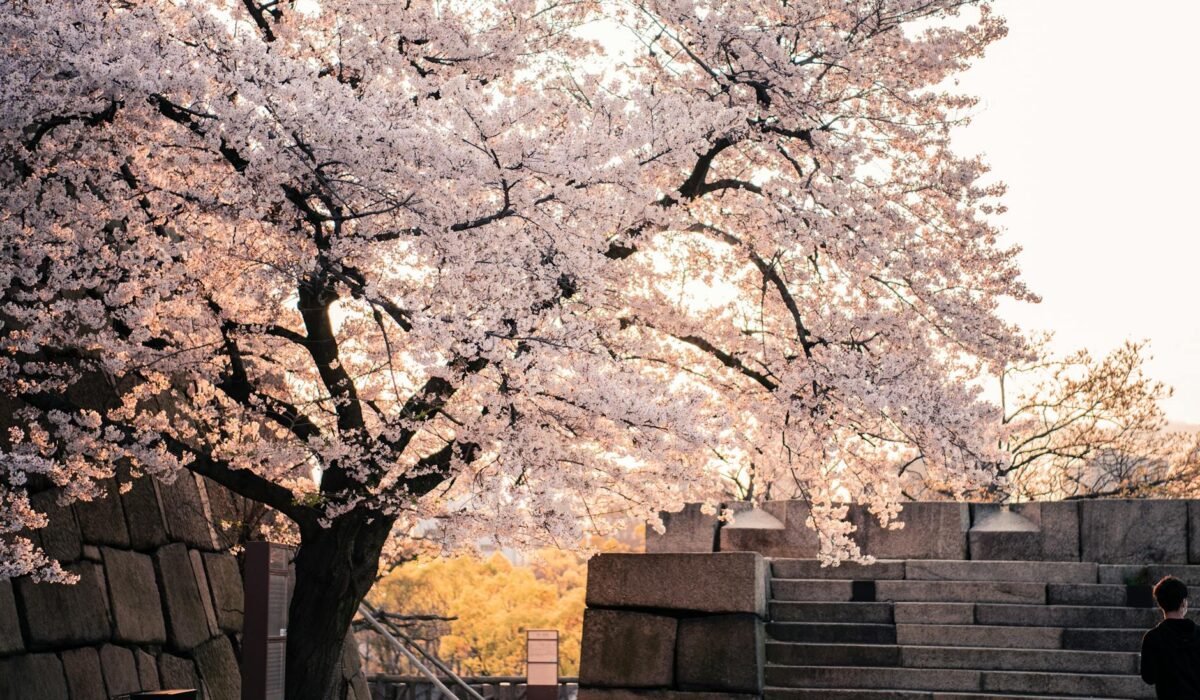
- 大阪城公園:約600棵櫻花樹環繞護城河,是大阪最具代表性的花見場景,2026年入場人次再創新高。
- 造幣局「櫻花通道」:560公尺的單行步道,130種約350棵珍稀品種,每年僅開放一週,2026年採線上預約制。
- 毛馬桜之宮公園:沿大川兩岸綿延4.2公里,是最適合漫步與野餐的花見地點,氣氛相對悠閒。
- Osaka Castle Park: ~600 cherry trees ring the moat. In 2026, visitor numbers hit a new record, making early arrival essential.
- Mint Bureau Sakura Promenade: 560m of rare varieties, open just one week annually. In 2026, online reservations became mandatory to manage crowds.
- Kema Sakuranomiya Park: 4.2km along the Okawa River, the most relaxed of the three — ideal for a slow walk or a quiet picnic without the crowds.
- 大阪城公園:約600本の桜が堀を囲む。2026年は入場者数が過去最高を更新し、早朝の場所取りが必須に。
- 造幣局の桜の通り抜け:560mに130種約350本の珍しい品種が並ぶ。2026年からオンライン予約制が導入された。
- 毛馬桜之宮公園:大川沿いに4.2kmにわたる桜並木。三か所の中で最もゆったりとした雰囲気で、散歩やピクニックに最適。
花見不只是賞花,是一種社會儀式Hanami Is a Social Ritual, Not Just Sightseeing花見は観光ではなく、社会的な儀式である
日本人對花見的準備程度令外國人驚訝。提前兩週查氣象廳的開花預測、派人提早佔位、準備手工便當——這套流程幾乎是全國性的默契。花見的核心不是花,而是「一起坐在花下」這件事本身,是人與人之間難得的無目的相聚。
The preparation Japanese people put into hanami surprises most visitors. Checking the Japan Meteorological Corporation’s bloom forecasts weeks out, sending someone to hold a spot at dawn, preparing bento from scratch — the ritual is the point. Hanami is less about the flowers and more about the rare permission to gather with no agenda.
日本人の花見への準備は外国人を驚かせる。気象会社の開花予想を数週間前からチェックし、夜明けに場所取りをし、手作り弁当を用意する。花見の本質は花ではなく、「目的なく集まること」への社会的な許可にある。
「物哀」:日本美學的核心密碼Mono no Aware: The Emotional Core of Japanese Aestheticsもののあわれ:日本の美意識の核心
「物哀」(もののあわれ)由平安時代文學家本居宣長提出,意指對事物無常的溫柔感傷。它不是悲觀,而是一種清醒的珍惜——因為知道會消逝,所以此刻更值得全神貫注。這個概念在日本文化裡無處不在,從茶道的「一期一會」到能劇的靜默,都是同一個內核。
Coined by Edo-era scholar Motoori Norinaga, mono no aware describes a gentle melancholy toward impermanence. It’s not pessimism — it’s a heightened awareness that makes the present moment more vivid precisely because it won’t last. You find it in the tea ceremony’s ichigo ichie, in the silence of Noh theatre, and most visibly, in the way Japan stops for one week every spring.
「もののあわれ」は江戸時代の国学者・本居宣長が提唱した概念で、物事の無常に対する優しい感傷を指す。悲観ではなく、消えゆくからこそ今この瞬間を鮮明に感じる意識だ。茶道の「一期一会」や能の静寂にも、同じ核心が宿っている。
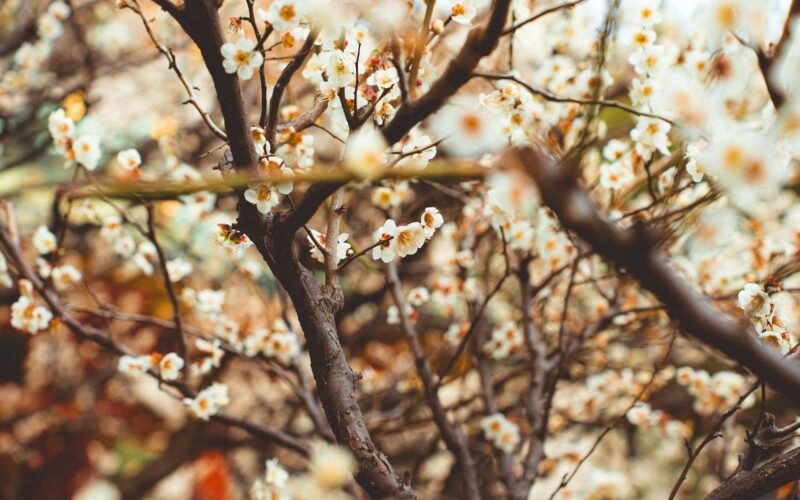
「花吹雪」——花瓣如雪片飛舞的景象。這個詞本身就帶著美麗與哀愁並存的情緒,是日語裡最能體現物哀精神的詞彙之一。“Hanafubuki” — a blizzard of cherry petals. The word itself carries both beauty and sorrow in the same breath, one of the most evocative expressions of mono no aware in the Japanese language.「花吹雪」——花びらが雪のように舞い散る光景。この言葉そのものに美しさと哀愁が共存しており、もののあわれを体現する日本語の表現の一つだ。
2026年的花見:數位時代的在場困境Hanami in 2026: The Presence Problem in a Digital Age2026年の花見:デジタル時代における「在場」の困難
2026年,大阪城公園的花見現場,幾乎每個人都在用手機拍攝或直播。這是一個有趣的矛盾:花見的精神是「在場」,但社群媒體的邏輯是「記錄與分享」。真正的花見體驗,或許需要刻意地把手機放下,讓自己只是坐著,看著花瓣飄落。
At Osaka Castle Park in 2026, nearly everyone had a phone raised — filming, streaming, posting. There’s a real tension here: hanami’s spirit is about presence, but social media’s logic is about capture and broadcast. The most radical act might simply be putting the phone away and letting the petals fall without documentation.
2026年の大阪城公園では、ほぼ全員がスマートフォンを掲げていた。花見の精神は「今ここにいること」だが、SNSの論理は「記録して共有すること」だ。最も根本的な花見体験は、スマホを置いて、ただ花びらが落ちるのを見ることかもしれない。
從外來者到參與者:花見如何改變你看待時間的方式From Observer to Participant: How Hanami Rewires Your Relationship With Time傍観者から参加者へ:花見が時間との関係を変える
第一次花見,你是觀光客,拍照、打卡、移動。第二次,你開始準備便當。第三次,你學會了「只是坐著」。花見真正的門檻不是語言或文化,而是你能不能接受什麼都不做、什麼都不產出,只是讓時間在花瓣飄落中流過。這在都市生活裡,是一種需要練習的能力。
Your first hanami, you’re a tourist — photographing, checking in, moving on. By the third year, you’ve learned to just sit. The real threshold isn’t language or culture; it’s whether you can accept doing nothing productive while petals fall around you. In a city life optimized for output, that stillness takes practice.
初めての花見は観光客として写真を撮り、移動する。3年目になると、ただ座ることを覚える。本当の壁は言語や文化ではなく、何も生産せずに花びらが落ちる時間を受け入れられるかどうかだ。成果を求める都市生活の中で、その静けさは練習が必要なスキルだ。
實用花見指南:2026年大阪版Practical Hanami Guide: Osaka 2026 Edition実践的な花見ガイド:2026年大阪版
- 開花預測:關注日本氣象株式會社每年1月發布的「桜開花予想」,2026年大阪滿開約在3月底。
- 造幣局通り抜け需提前在官網預約,名額有限,建議開放當天立即搶票。
- 便當推薦:大阪城公園附近的「法善寺橫丁」有多家外帶便當店,或前往鶴橋市場採購食材自製。
- 最佳時段:日落前一小時的「夕暮れ」光線最美,夜間的「夜桜」燈光也值得一看,但人潮更多。
- Bloom forecast: Follow the Japan Meteorological Corporation’s annual sakura forecast (released in January). Osaka full bloom in 2026 landed around late March.
- The Mint Bureau promenade requires advance online booking — slots fill within hours of opening. Set a reminder for when reservations go live.
- For bento, grab takeout near Hozenji Yokocho or shop for ingredients at Tsuruhashi Market — both are within easy reach of the main hanami spots.
- Golden hour before sunset offers the best light. Yozakura (night cherry blossoms) under lanterns is magical but draws the biggest crowds — go on a weeknight if possible.
- 開花予想:日本気象株式会社が1月に発表する「桜開花予想」を確認。2026年の大阪の満開は3月下旬だった。
- 造幣局の通り抜けは事前オンライン予約が必要。予約開始直後に埋まるため、開始時刻にアラームをセットしておくこと。
- 弁当は法善寺横丁のテイクアウト店か、鶴橋市場で食材を調達するのがおすすめ。どちらも主要な花見スポットからアクセスしやすい。
- 日没前のゴールデンアワーが最も美しい光を生む。夜桜はロマンチックだが混雑する。できれば平日の夜に訪れるのがベスト。
花見之後:那種感覺去哪了?After the Bloom: Where Does That Feeling Go?花が散った後:あの感覚はどこへ行くのか
花季結束後,大阪的街道回到日常。但有趣的是,花見留下的不是照片,而是一種對「短暫」的重新校準。你會開始注意到其他事物的消逝——夏日的晚霞、秋天第一片落葉。物哀不是只屬於春天的情感,它是一種看待世界的方式,而花見只是每年一次的入口。
After the petals fall, Osaka returns to its usual pace. But what hanami leaves behind isn’t photos — it’s a recalibrated sensitivity to transience. You start noticing other endings: a summer sunset, the first autumn leaf. Mono no aware isn’t a spring emotion; it’s a way of seeing, and hanami is just the annual doorway back into it.
花が散ると、大阪は日常に戻る。しかし花見が残すのは写真ではなく、無常への感受性の再調整だ。夏の夕焼け、秋の最初の落ち葉——他の「終わり」にも気づくようになる。もののあわれは春だけの感情ではなく、世界の見方そのものだ。花見はその入口に過ぎない。