間(Ma):日本留白美學如何改變了我的設計與生活
Ma: How Japan’s Aesthetic of Emptiness Reshaped My Design and Life
間(ま):余白の美学が私のデザインと人生を変えた
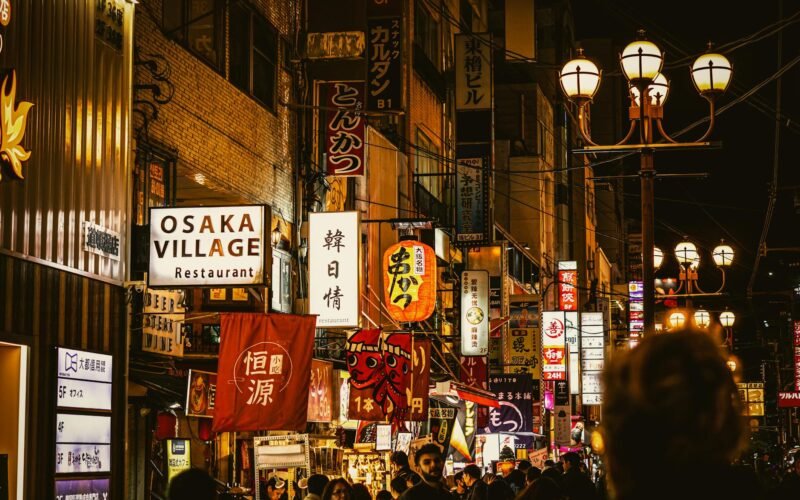
在大阪生活後,我從日本「間」的哲學中學會了留白的力量——少即是多,不只是設計原則,更是一種生活態度。
Living in Osaka taught me the Japanese concept of Ma — the art of emptiness. It reshaped how I design interfaces and how I live, proving that less is not just more, it’s everything.
大阪での生活を通じて、「間」という日本の哲学に出会った。余白はデザインだけでなく、生き方そのものを変える力を持っている。
什麼是「間」?一個無法直譯的概念What Is Ma? A Concept That Resists Translation「間」とは何か?翻訳を拒む概念
日語中的「間」(Ma)是一個幾乎無法用其他語言精確翻譯的詞。它同時指涉空間的留白、時間的間隔,以及一種更深層的美學與哲學態度。在2026年,當數位噪音比任何時候都更密集——AI生成內容每秒湧現、社群媒體演算法不斷推送刺激——「間」的概念反而顯得格外珍貴。它不是空洞,而是有意義的空。
Ma (間) is a Japanese word that nearly defies translation. It refers simultaneously to spatial emptiness, temporal pause, and a deeper aesthetic philosophy. In 2026, as AI-generated content floods every screen and social algorithms compete for every second of attention, the concept of Ma feels more urgent than ever. It is not mere absence — it is meaningful, intentional space.
「間」は、他の言語にほぼ翻訳できない日本語の概念だ。空間的な余白、時間的な間隔、そしてより深い美学的・哲学的態度を同時に指す。2026年、AIが生成するコンテンツが溢れ、SNSのアルゴリズムが絶え間なく刺激を送り続ける今、「間」の概念はかつてないほど重要に感じられる。それは単なる空虚ではなく、意味のある空白だ。
傳統建築、枯山水與茶道:間的三種面貌Architecture, Zen Gardens, and Tea Ceremony: Three Faces of Ma建築、枯山水、茶道:間の三つの顔
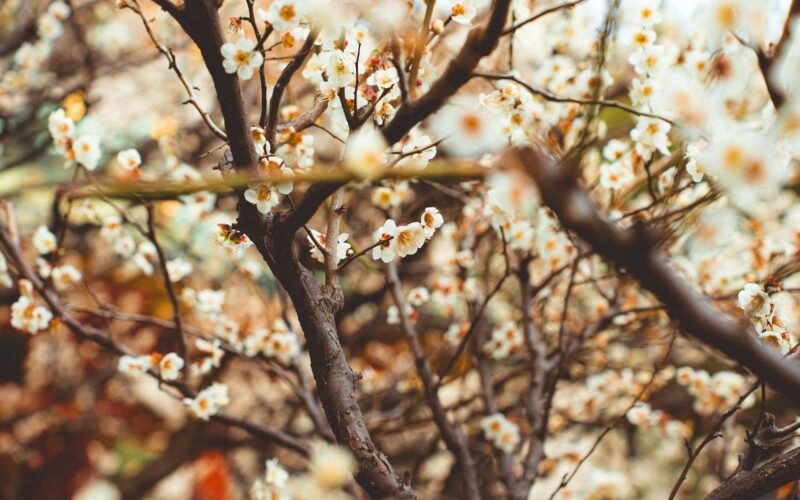
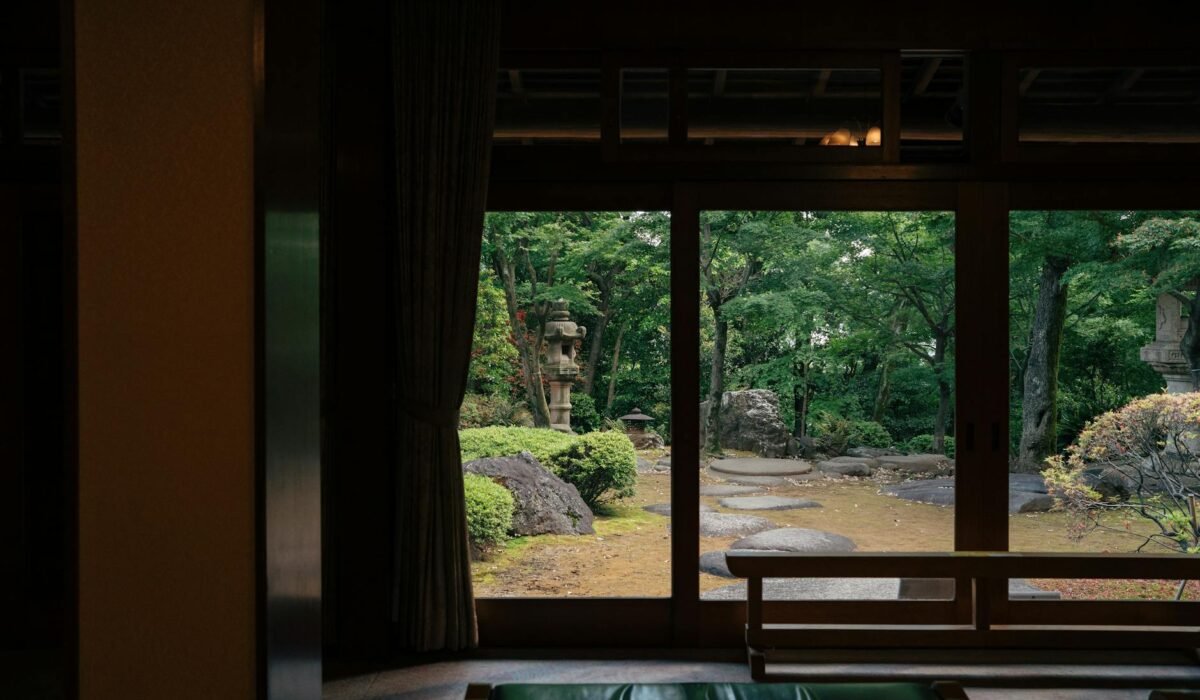
在大阪生活之後,我開始真正理解為什麼日本的設計有一種獨特的靜。傳統日本建築裡大量的空白空間,不是設計師偷懶,而是刻意為之;枯山水庭院裡幾塊石頭和耙過的沙,讓觀者的目光有地方停留、有地方流動;茶道中故意放慢的每一個動作,讓時間本身成為儀式的一部分。這三者都在說同一件事:留白本身就是內容。
After living in Osaka, I began to genuinely understand why Japanese design carries such a distinctive stillness. The vast empty spaces in traditional architecture are not laziness — they are deliberate. A karesansui garden with a few stones and raked sand gives the eye somewhere to rest and somewhere to wander. The deliberately slowed movements of a tea ceremony make time itself part of the ritual. All three say the same thing: the empty space is the content.
大阪に住んでから、日本のデザインが持つ独特の静けさの理由を本当に理解し始めた。伝統的な日本建築の広大な空白は手抜きではなく、意図的なものだ。枯山水の庭園では、数個の石と熊手で整えられた砂が、視線の止まる場所と流れる場所を作り出す。茶道で意図的にゆっくりと行われる所作は、時間そのものを儀式の一部にする。この三つはすべて同じことを語っている——余白こそがコンテンツだ。
「間拒絕填滿,因為留白本身就是內容的一部分。」“Ma resists being filled, because the emptiness itself is part of the content.”「間は埋めることを拒む。なぜなら、余白そのものがコンテンツの一部だからだ。」
間如何改變了我的設計思維How Ma Changed the Way I Design「間」が私のデザイン思考を変えた方法
這個概念對我做設計和開發產生了直接影響。以前我傾向於把界面塞滿功能,深怕用戶覺得「不夠」。後來我開始刻意減少元素,讓每個按鈕、每段文字有足夠的呼吸空間。2026年,在AI輔助設計工具已經能自動生成密集UI的時代,反而是「知道什麼不該放」變成了更稀缺的能力。間讓我意識到,少即是多不只是設計原則,更是一種判斷力的體現。
Ma had a direct impact on how I approach design and development. I used to pack interfaces with features, afraid users would feel shortchanged. I started deliberately removing elements, giving each button and line of text room to breathe. In 2026, when AI-assisted design tools can auto-generate dense UIs in seconds, knowing what not to include has become the rarer skill. Ma taught me that less is more is not just a design principle — it is a form of judgment.
「間」は私のデザインと開発のアプローチに直接影響を与えた。以前は機能をインターフェースに詰め込み、ユーザーに「物足りない」と思われることを恐れていた。その後、意図的に要素を減らし、各ボタンやテキストに十分な余白を与えるようにした。2026年、AIアシスト設計ツールが密度の高いUIを数秒で自動生成できる時代に、「何を入れないか」を知ることがより希少なスキルになっている。「間」は、少ないほど豊かであるということが単なるデザイン原則ではなく、判断力の表れだと教えてくれた。
生活中的間:接受空著的狀態Ma in Daily Life: Learning to Sit with Emptiness日常の中の間:空白を受け入れること
在大阪的生活讓我學會接受空著的狀態:沒有安排的週末、沒有計劃的下午、對話中短暫的沉默。這些在以前會讓我焦慮,現在我把它們看作必要的留白。2026年,「生產力焦慮」已成為一種被廣泛討論的現代病,許多人用AI工具把每一分鐘都排滿任務,卻發現創造力和專注力反而下降。間提醒我們:大腦需要空白才能真正思考,就像肺需要呼氣才能再吸氣。
Living in Osaka taught me to sit with emptiness: unscheduled weekends, unplanned afternoons, brief silences in conversation. These used to trigger anxiety. Now I see them as necessary pauses. In 2026, productivity anxiety has become a widely discussed modern condition — many people use AI tools to fill every minute with tasks, only to find creativity and focus declining. Ma reminds us that the mind needs empty space to truly think, just as lungs need to exhale before they can breathe in again.
大阪での生活は、空白を受け入れることを教えてくれた。予定のない週末、計画のない午後、会話の中の短い沈黙。以前はこれらが不安を引き起こしていた。今は必要な余白として捉えている。2026年、「生産性不安」は広く議論される現代病となり、多くの人がAIツールで毎分タスクを埋め尽くすが、創造性と集中力がかえって低下していることに気づく。「間」は、肺が息を吐かなければ吸えないように、心も本当に考えるためには空白が必要だと教えてくれる。
- 留白不是浪費,而是讓重要的事物更清晰可見
- 在AI填滿一切的時代,「選擇不填滿」是一種主動的設計決策
- 對話中的沉默、行程中的空白,都是間的日常實踐
- Empty space is not waste — it makes what matters more visible
- In an age where AI fills everything, choosing not to fill is an active design decision
- Silence in conversation and gaps in schedule are everyday practices of Ma
- 余白は無駄ではなく、重要なものをより明確に見せる
- AIがすべてを埋める時代に、「埋めないことを選ぶ」は積極的なデザイン判断だ
- 会話の沈黙やスケジュールの空白は、間の日常的な実践だ
間是需要練習的勇氣Ma Takes Courage to Practice「間」を実践するには勇気がいる
間是需要練習的藝術。在一個鼓勵持續輸出、填滿時間的世界裡,選擇留白需要勇氣。這不是消極的放棄,而是積極的選擇——選擇讓空間說話,選擇讓沉默有意義,選擇相信少即是多。如果你也在某個地方感到過度擁擠,不妨試著移除一樣東西,然後觀察那個空白帶來了什麼。
Ma is an art that requires practice. In a world that rewards constant output and full schedules, choosing emptiness takes courage. It is not passive resignation — it is an active choice to let space speak, to let silence carry meaning, to trust that less is genuinely more. If something in your life or work feels overcrowded, try removing one thing and watch what the space brings.
「間」は練習が必要な芸術だ。絶え間ない発信と時間を埋めることを奨励する世界では、余白を選ぶことに勇気がいる。それは消極的な諦めではなく、空間に語らせ、沈黙に意味を持たせ、少ないほど豊かだと信じる積極的な選択だ。もし生活や仕事の中で何かが過密に感じられるなら、一つ取り除いてみて、その空白が何をもたらすかを観察してみてほしい。