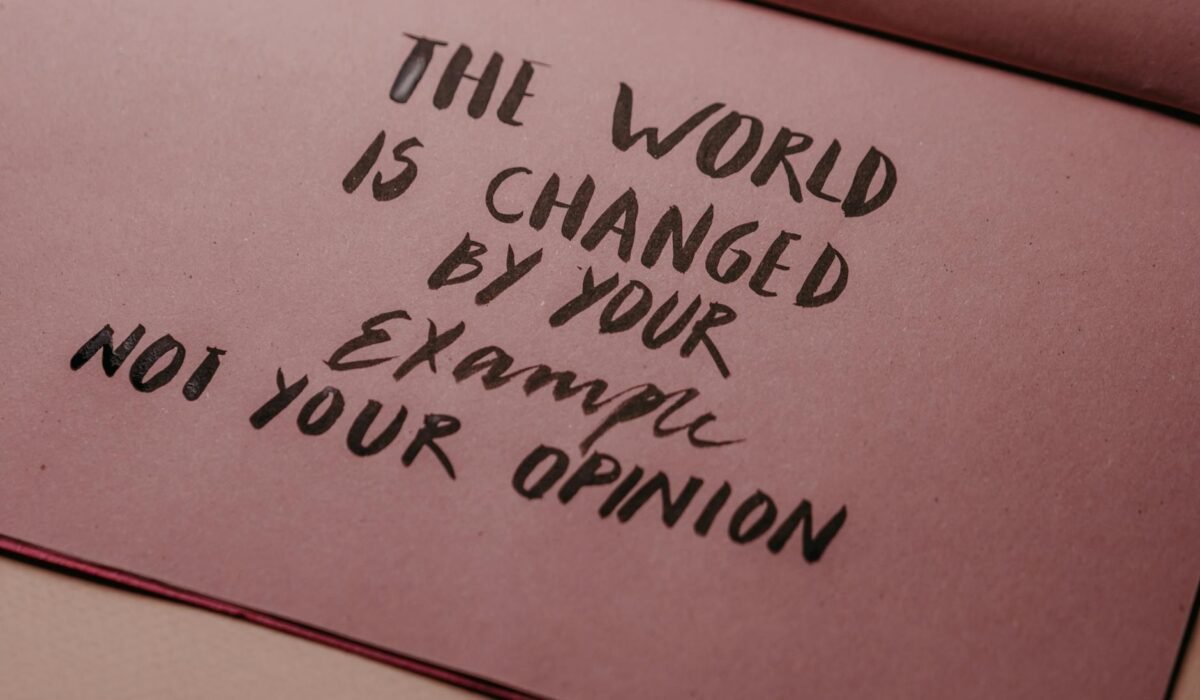
寫作即思考:為什麼每天 500 字改變了我的決策品質
Writing Is Thinking: How 500 Words a Day Transformed My Decision-Making
書くことは考えること:毎日500字が意思決定の質を変えた理由
每天寫 500 字不是為了發表,而是為了釐清思維。這個習慣如何在 AI 輔助泛濫的 2026 年,讓我保持真正的判斷力。
Writing 500 words daily isn’t about publishing — it’s about clarity. In 2026, when AI handles most thinking tasks, this habit keeps my judgment sharp and decisions grounded.
毎日500字を書くのは発信のためではなく、思考を整理するため。AIが思考を代替する2026年に、この習慣が判断力を守る理由を語る。
2026 年,我們外包了太多思考In 2026, We’ve Outsourced Too Much Thinking2026年、私たちは考えることを外注しすぎた
AI Agent 已經滲透進日常工作的每個角落。寫郵件、整理會議記錄、甚至做決策建議,都可以交給工具。但我發現一個問題:當我停止自己思考,我的判斷力也在悄悄退化。
By 2026, AI agents handle emails, meeting notes, and even decision recommendations. It’s efficient — but I noticed something unsettling: the less I thought for myself, the weaker my judgment became. Convenience was quietly eroding my cognitive edge.
2026年、AIエージェントはメール、議事録、意思決定の提案まで担うようになった。便利だが、自分で考えなくなるにつれ、判断力が静かに衰えていくのを感じた。
寫作不是輸出,是輸入Writing Isn’t Output — It’s Input書くことはアウトプットではなく、インプットだ
大多數人把寫作當成「把想法表達出來」的工具。但我的體驗相反:寫作的過程本身,才是思想形成的地方。在打字之前,我以為我懂了;打完之後,我才真的懂。
Most people treat writing as expressing existing thoughts. My experience is the opposite — writing is where thoughts actually form. Before I write, I think I understand something. After I write, I actually do. The gap between those two states is where real thinking happens.
多くの人は書くことを「考えを表現する」手段と捉える。だが私の経験は逆だ。書く過程そのものが思考の形成場所であり、書く前と書いた後では理解の深さがまるで違う。
500 字的門檻設計Why 500 Words Is the Right Threshold500字という閾値の設計
500 字不多不少。少於這個數字,你只是在記錄;超過太多,你開始表演給讀者看。500 字剛好是一個「必須把問題想清楚才能寫完」的長度,它逼你從模糊走向具體。
500 words is a deliberate threshold. Under that, you’re just journaling fragments. Over 1,000, you start performing for an audience. 500 words forces you to actually resolve a thought — vague impressions have to become concrete positions. That friction is the whole point.
500字は意図的な閾値だ。それ以下では断片的な記録に過ぎず、1000字を超えると読者向けのパフォーマンスになる。500字はあいまいな印象を具体的な立場へと変換させる、ちょうどいい摩擦を生む。
它如何具體改變了我的決策How It Concretely Changed My Decisions具体的にどう意思決定が変わったか
- 開會前寫下「我真正想要的結果是什麼」,讓我不再被議題帶著走
- 面對兩難選擇時,寫出每個選項的假設前提,往往發現其中一個根本站不住腳
- 每週回顧自己的寫作,能看見思維模式的盲點,這是 AI 工具給不了的自我觀察
- Writing ‘what outcome do I actually want’ before meetings stopped me from being led by the agenda
- Writing out the assumptions behind each option in a dilemma often reveals one side simply doesn’t hold up
- Weekly review of my own writing reveals cognitive blind spots — a kind of self-observation no AI tool can replicate
- 会議前に「本当に望む結果は何か」を書くことで、議題に流されなくなった
- 二択に直面したとき、各選択肢の前提を書き出すと、一方が根拠を欠いていることに気づく
- 週次で自分の文章を振り返ると、思考パターンの盲点が見える。これはAIツールには代替できない自己観察だ
與 AI 寫作的本質差異The Fundamental Difference from AI-Generated WritingAI生成との本質的な違い
我也用 AI 寫作工具,它們很快、很流暢。但 AI 給你的是「合理的答案」,不是「你自己的答案」。手寫 500 字的過程中,你會遇到卡住的地方——那個卡住的點,正是你真正需要思考的地方。
I use AI writing tools too — they’re fast and fluent. But AI gives you a plausible answer, not your answer. When you write 500 words yourself, you hit walls. Those walls are exactly where your real thinking needs to happen. AI skips the walls. That’s the problem.
AIライティングツールも使う。速くて流暢だ。しかしAIが出すのは「もっともらしい答え」であり、「自分の答え」ではない。自分で書くと詰まる箇所がある。その詰まりこそが、本当に考えるべき場所だ。
「清晰的寫作來自清晰的思考,而清晰的思考只能通過寫作來訓練。」“Clear writing comes from clear thinking, and clear thinking can only be trained through writing.”「明確な文章は明確な思考から生まれ、明確な思考は書くことによってのみ鍛えられる。」
建立習慣的實際方法How to Actually Build the Habit習慣を実際に構築する方法
- 不設主題,只設時間:每天早上 20 分鐘,寫任何當下在想的事
- 不追求品質,只追求完成:500 字寫完就算成功,不管寫得好不好
- 用紙筆或純文字編輯器,避免格式化工具分散注意力
- No topic required, just a time block: 20 minutes every morning, write whatever is on your mind
- Don’t chase quality, chase completion: finishing 500 words counts as success, regardless of how good it is
- Use pen and paper or a plain text editor — formatting tools distract from thinking
- テーマは不要、時間だけ決める:毎朝20分、今考えていることを何でも書く
- 質を追わず、完了を追う:500字書き終えれば成功。内容の良し悪しは問わない
- 紙とペン、またはプレーンテキストエディタを使う。書式設定ツールは思考の邪魔になる
六個月後,我注意到的變化What I Noticed After Six Months6ヶ月後に気づいた変化
堅持六個月後,最明顯的改變不是寫作能力,而是「說話的品質」。開會時我能更快抓到核心,和人討論時更少繞圈子。寫作訓練了我的思維結構,而思維結構影響了所有溝通。
After six months, the biggest change wasn’t my writing — it was how I spoke. In meetings, I cut to the core faster. In conversations, I stopped circling. Writing had trained my thinking structure, and that structure improved every form of communication I had.
6ヶ月後、最も大きな変化は文章力ではなく「話す質」だった。会議では核心を素早く掴み、会話では回り道が減った。書くことが思考構造を鍛え、その構造がすべてのコミュニケーションを改善した。
這在 2026 年為什麼更重要Why This Matters More in 2026なぜ2026年においてこれがより重要なのか
當 AI 能替你生成任何文字,「能寫」已不再是競爭優勢。真正的優勢是「能思考」——知道問什麼問題、辨別什麼答案值得信任。每天 500 字,是我在 AI 時代保持這種能力的方式。
When AI can generate any text for you, the ability to write is no longer a competitive edge. The edge is the ability to think — knowing what questions to ask, and which answers to trust. In 2026, daily writing is how I keep that edge from being automated away.
AIが文章を生成できる今、「書ける」ことはもはや競争優位ではない。優位は「考えられる」こと——何を問うべきか、どの答えを信頼すべきかを知ること。毎日の執筆は、その能力をAIに奪われないための手段だ。
「在一個所有人都用 AI 思考的世界裡,自己思考的人擁有稀缺優勢。」“In a world where everyone thinks with AI, the person who thinks for themselves holds a rare advantage.”「誰もがAIで考える世界では、自分で考える人間が希少な優位性を持つ。」
給想開始的你For Anyone Who Wants to Start始めたいあなたへ
不需要部落格,不需要讀者,不需要寫得好。你只需要一個文件、一個固定時間,和願意讓思維在紙上變得混亂然後清晰的耐心。500 字,今天就可以開始。
You don’t need a blog, an audience, or good writing. You need a document, a fixed time slot, and the patience to let your thinking get messy before it gets clear. 500 words. You can start today.
ブログも読者も上手な文章も必要ない。必要なのはドキュメント、固定した時間、そして思考が混乱してから整理されるまでの忍耐だけ。500字。今日から始められる。