比特幣、以太坊、山寨幣:我花了一週搞清楚它們的差異
Bitcoin, Ethereum, Altcoins: It Took Me a Week to Understand the Differences
ビットコイン、イーサリアム、アルトコイン:違いを理解するのに一週間かかった
從比特幣到山寨幣,一週內建立幣種認知地圖的真實過程。
A beginner’s honest journey through Bitcoin, Ethereum, and altcoins — building a mental map of crypto in one week.
ビットコインからアルトコインまで、一週間で仮想通貨の全体像を掴んだ実体験。
這是《加密貨幣投資者的一年:從入門到實戰的365天旅程》系列第 4 篇,共 50 篇。
This is Part 4 of 50 in the series “A Crypto Investor’s Year: A 365-Day Journey from Beginner to Real-World Practice.”
これは「仮想通貨投資家の一年:入門から実践までの365日の旅」シリーズ全50回中の第4回です。
剛進入加密貨幣世界的時候,我以為「幣」就是幣,買哪個都差不多。直到我打開交易所,看到幾百個名字,才意識到自己完全不知道在看什麼。比特幣、以太坊、BNB、Solana、Dogecoin……它們到底有什麼不同?我花了整整一週,才算是把這張地圖大致畫清楚。
When I first entered the crypto world, I assumed a coin was just a coin — didn’t matter which one you picked. Then I opened an exchange, saw hundreds of names, and realized I had no idea what I was looking at. Bitcoin, Ethereum, BNB, Solana, Dogecoin… what’s actually different about them? It took me a full week to sketch out a rough map.
仮想通貨の世界に入ったばかりの頃、私は「コインはどれも同じようなもの」だと思っていた。ところが取引所を開いて数百もの名前を目にした瞬間、自分が何を見ているのかまったくわからないと気づいた。ビットコイン、イーサリアム、BNB、Solana、Dogecoin……いったい何が違うのか?全体像をざっくり掴むまでに、まるまる一週間かかった。
比特幣:數位黃金,不是用來「用」的Bitcoin: Digital Gold, Not Meant to Be “Used”ビットコイン:デジタルゴールド、「使う」ためのものではない
比特幣(BTC)是第一個加密貨幣,誕生於2009年。它的核心設計理念是「去中心化的價值儲存」——類似黃金,總量固定在2100萬枚,沒有任何機構可以增發。正因如此,很多人把它當作對抗通膨的資產,而不是日常支付工具。它的交易速度慢、手續費高,但它的品牌效應和市場信任度是所有幣種裡最強的。新手最常犯的誤解是:以為比特幣「太貴」就不能買。其實你可以買0.001顆,門檻沒有你想的那麼高。
Bitcoin (BTC) was the first cryptocurrency, launched in 2009. Its core design is a decentralized store of value — think digital gold, with a hard cap of 21 million coins that no institution can inflate away. That’s why many treat it as a hedge against inflation rather than a daily payment tool. Transactions are slow and fees can be high, but its brand recognition and market trust are unmatched. The most common beginner misconception: thinking Bitcoin is “too expensive” to buy. You can buy 0.001 BTC — the barrier is lower than you think.
ビットコイン(BTC)は2009年に誕生した最初の仮想通貨だ。その核心的な設計思想は「分散型の価値保存手段」——デジタルゴールドのようなもので、発行上限は2100万枚に固定されており、どの機関も増発できない。だからこそ多くの人がインフレへのヘッジ資産として保有し、日常の決済手段としては使わない。取引速度は遅く手数料も高いが、ブランド力と市場からの信頼はすべてのコインの中で群を抜いている。初心者がよく陥る誤解は「ビットコインは高すぎて買えない」というもの。実際には0.001BTCから購入でき、ハードルは思っているより低い。
以太坊:加密世界的「作業系統」Ethereum: The “Operating System” of Cryptoイーサリアム:仮想通貨の「オペレーティングシステム」
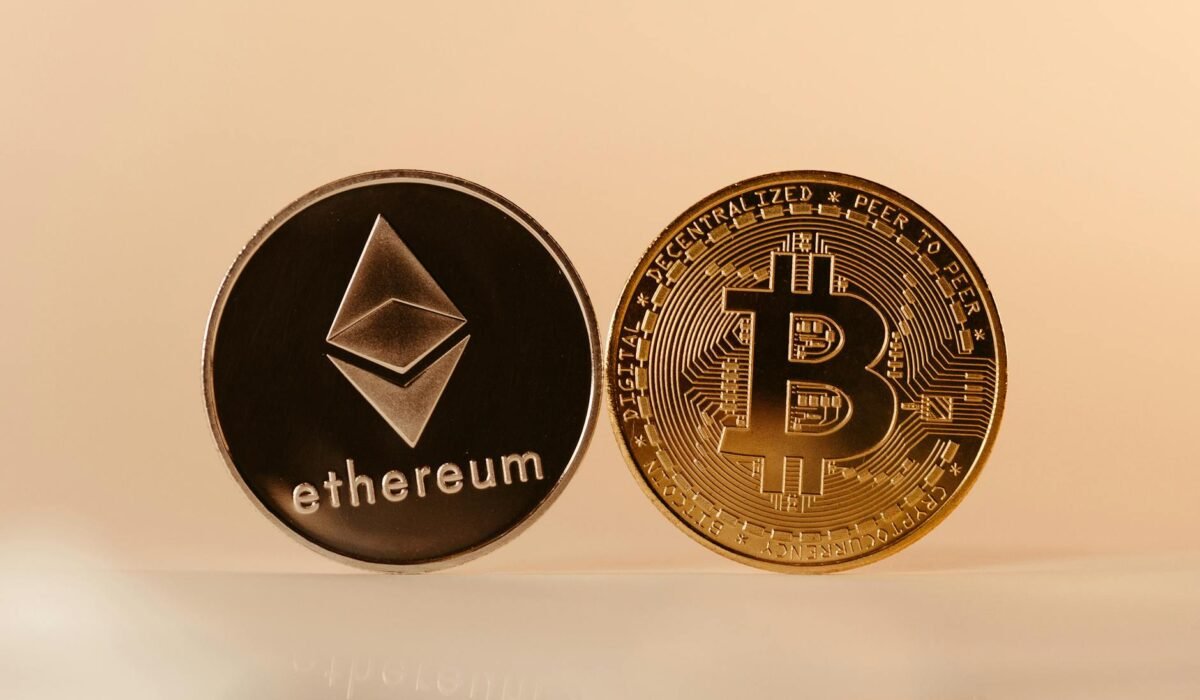
以太坊(ETH)是第二大加密貨幣,但它的定位和比特幣完全不同。它是一個可以在上面「跑程式」的區塊鏈平台,開發者可以在上面建立去中心化應用(DApp)、發行代幣、執行智能合約。你現在聽到的DeFi(去中心化金融)、NFT、大多數山寨幣,背後幾乎都和以太坊有關。ETH本身是這個平台的「燃料費」,每次執行操作都需要消耗它。理解以太坊,就像理解為什麼iPhone的App Store能讓整個生態系運作起來——平台本身才是關鍵。
Ethereum (ETH) is the second-largest cryptocurrency, but its role is completely different from Bitcoin. It’s a blockchain platform where developers can run programs — building decentralized apps (DApps), issuing tokens, and executing smart contracts. Most of what you hear about DeFi, NFTs, and the majority of altcoins traces back to Ethereum. ETH itself is the “gas” that powers every operation on the platform. Understanding Ethereum is like understanding why the App Store makes an entire ecosystem work — the platform is the point.
イーサリアム(ETH)は時価総額第2位の仮想通貨だが、その役割はビットコインとまったく異なる。開発者がプログラムを「動かせる」ブロックチェーンプラットフォームであり、分散型アプリ(DApp)の構築、トークンの発行、スマートコントラクトの実行が可能だ。DeFi(分散型金融)やNFT、そして大半のアルトコインは、ほぼすべてイーサリアムと関係している。ETH自体はプラットフォーム上のあらゆる操作に必要な「ガス代」だ。イーサリアムを理解することは、App Storeがなぜエコシステム全体を機能させるのかを理解することに似ている——プラットフォームそのものが本質なのだ。
山寨幣:高風險、高潛力,但要小心Altcoins: High Risk, High Potential — But Be Carefulアルトコイン:ハイリスク・ハイリターン、でも注意が必要
除了比特幣和以太坊之外的所有幣,統稱為「山寨幣」(Altcoin)。這個範圍極廣:有像Solana、BNB這樣有真實技術支撐的主流山寨幣,也有像Dogecoin、Shiba Inu這樣靠社群熱度驅動的迷因幣,更有大量幾乎沒有實際用途、純粹炒作的空氣幣。山寨幣的特點是波動極大——漲起來可以幾倍,跌起來也可以歸零。對新手來說,在搞清楚一個項目的實際用途和團隊背景之前,最好不要輕易投入大量資金。我自己的原則是:先理解,再投資。
Everything outside of Bitcoin and Ethereum falls under the umbrella of “altcoins.” The range is enormous: there are established altcoins like Solana and BNB with real technical foundations, meme coins like Dogecoin and Shiba Inu driven by community hype, and a long tail of projects with little real utility beyond speculation. Altcoins are extremely volatile — they can multiply in value or go to zero. For beginners, the rule of thumb is simple: don’t put serious money into anything before you understand what it actually does and who’s behind it. My personal principle: understand first, invest second.
ビットコインとイーサリアム以外のすべてのコインは「アルトコイン」と総称される。その範囲は非常に広い。SolanaやBNBのように実際の技術的基盤を持つ主流アルトコインもあれば、DogecoinやShiba Inuのようにコミュニティの熱狂で動くミームコインもある。さらには実用性がほとんどなく、純粋な投機目的のコインも無数に存在する。アルトコインの特徴は極端な価格変動だ——数倍に跳ね上がることもあれば、ゼロになることもある。初心者は、プロジェクトの実際の用途と開発チームの背景を理解する前に、大きな資金を投じないことが大切だ。私自身の原則はシンプル:まず理解し、それから投資する。
建立你自己的幣種認知地圖Building Your Own Crypto Mental Map自分だけの仮想通貨認知マップを作る
花了一週之後,我給自己畫了一張簡單的分類:BTC是價值儲存、ETH是平台基礎設施、主流山寨幣是各自賽道的競爭者、迷因幣是純粹的投機工具。這張地圖不完美,但它讓我在看到任何新幣的時候,都能先問一個問題:「這個幣解決了什麼問題?」有了這個框架,後續的學習和判斷都快了很多。你不需要搞懂所有幣,但你需要知道自己在買什麼。
After a week of research, I drew myself a simple classification: BTC is a store of value, ETH is platform infrastructure, major altcoins are competitors in their respective niches, and meme coins are pure speculation. The map isn’t perfect, but it gave me a starting question whenever I encounter a new coin: “What problem does this actually solve?” With that framework in place, learning and decision-making got a lot faster. You don’t need to understand every coin — you just need to know what you’re buying.
一週間調べた末に、私はシンプルな分類図を描いた。BTCは価値の保存手段、ETHはプラットフォームのインフラ、主要アルトコインはそれぞれのニッチにおける競合者、ミームコインは純粋な投機ツール。この地図は完璧ではないが、新しいコインを目にするたびに最初に問うべき質問を与えてくれた——「このコインはどんな問題を解決しているのか?」このフレームワークがあるだけで、その後の学習と判断のスピードが格段に上がった。すべてのコインを理解する必要はない。ただ、自分が何を買っているのかを知ることが大切だ。
下一篇(第5篇):《選擇交易所:我比較了五個平台後的真實心得》——知道要買什麼之後,下一個問題是:去哪裡買?我實際測試了五個主流交易所,整理出新手最需要知道的差異。
Next up — Part 5: “Choosing an Exchange: My Honest Take After Comparing Five Platforms” — once you know what to buy, the next question is where to buy it. I tested five major exchanges and broke down what beginners actually need to know.
次回・第5回:「取引所の選び方:5つのプラットフォームを比較した正直な感想」——何を買うかがわかったら、次の問いはどこで買うかだ。主要取引所5つを実際に試し、初心者が本当に知るべき違いをまとめた。