日本的季節美學:從春櫻到秋楓,如何用攝影記錄生活質感
Japan’s Seasonal Aesthetics: Capturing Life’s Texture Through the Lens, from Cherry Blossoms to Autumn Maples
日本の季節美学:春の桜から秋の紅葉まで、写真で暮らしの質感を記録する
日本四季不只是自然景觀,更是一種生活哲學。本文探討如何用攝影捕捉那些稍縱即逝的季節質感。
Japan’s four seasons are more than scenery — they’re a philosophy of living. This piece explores how photography can capture the fleeting textures of each season.
日本の四季は風景以上のもの、生き方の哲学です。写真でその一瞬の質感をどう捉えるかを探ります。
季節感:日本人對時間的獨特態度Seasonality: Japan’s Unique Relationship with Time季節感:日本人の時間への独特な向き合い方
日語中有個詞叫「物の哀れ」,意指對事物短暫之美的感傷共鳴。這種美學不是悲觀,而是一種對當下的高度專注。2026年,隨著慢生活與正念攝影在全球興起,日本的季節哲學正被越來越多人重新發現與實踐。
Japanese has a concept called ‘mono no aware’ — a bittersweet sensitivity to the transience of things. It’s not pessimism; it’s radical presence. In 2026, as slow living and mindful photography gain global traction, Japan’s seasonal philosophy is being rediscovered by a new generation of creators.
日本語には「物の哀れ」という概念があります。これは悲観ではなく、今この瞬間への深い集中です。2026年、スローライフやマインドフル写真が世界的に広まる中、日本の季節哲学が改めて注目されています。
春:櫻花的短暫與攝影的時機Spring: The Brevity of Sakura and the Art of Timing春:桜の儚さと撮影のタイミング
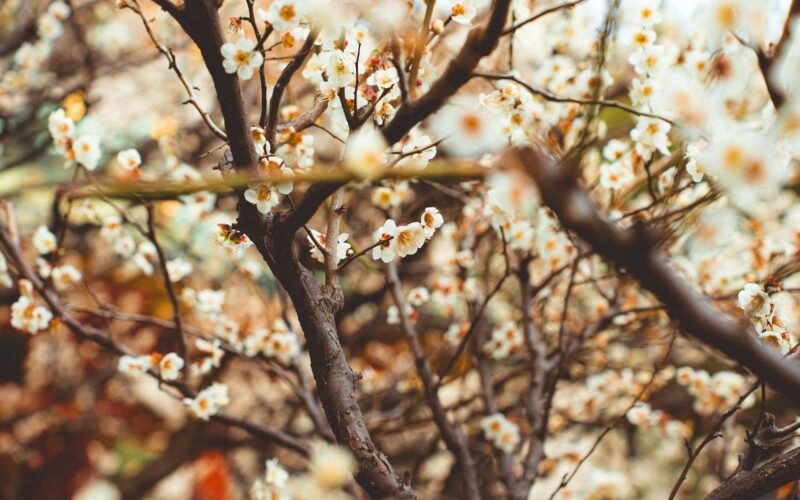
櫻花盛開期平均只有一週左右。這種稀缺性讓每一張照片都帶有時間壓力。攝影師不只是在拍花,而是在與時間賽跑。建議在清晨六點前抵達熱門景點,光線柔和,人潮稀少,那才是屬於你的京都。
Peak sakura lasts roughly a week. That scarcity gives every shot a sense of urgency. You’re not just photographing flowers — you’re racing time. Arriving before 6am at popular spots like Maruyama Park gives you soft light, empty paths, and a Kyoto that feels entirely yours.
桜の見頃はおよそ一週間。その希少性が写真に緊張感を与えます。花を撮るだけでなく、時間と競っているのです。円山公園などに朝6時前に到着すれば、柔らかな光と静寂の中で、自分だけの京都に出会えます。
夏:光與影的對比遊戲Summer: Playing with Contrast and Shadow夏:光と影のコントラストを楽しむ
日本夏天的光線強烈而直接,對攝影師來說既是挑戰也是禮物。廟宇走廊的陰影、祭典燈籠的暖光、浴衣的藍白條紋——這些元素在強光下反而更有張力。建議使用點測光,讓主體從背景中脫穎而出。
Japan’s summer light is harsh and direct — a challenge and a gift. Temple corridor shadows, warm lantern glow at matsuri, the blue-white stripes of yukata — these elements gain tension under strong light. Spot metering lets your subject pop against a blown-out background.
日本の夏の光は強烈で直接的。寺院の廊下の影、祭りの提灯の温かな光、浴衣の青白い縞模様——これらは強い光の中でこそ際立ちます。スポット測光を使えば、主役を背景から引き立てられます。
秋:楓葉攝影的三個層次Autumn: Three Layers of Maple Photography秋:紅葉写真の三つの層
秋楓攝影不只是拍紅色。真正有深度的作品往往包含三個層次:前景的落葉細節、中景的樹木結構、遠景的山巒輪廓。2026年,許多攝影師開始用手機的計算攝影功能來處理這種複雜的景深,效果已相當接近專業相機。
Autumn maple photography isn’t just about red. Compelling shots often have three layers: fallen leaf detail in the foreground, tree structure in the mid-ground, and mountain silhouettes behind. In 2026, computational photography on smartphones handles this complex depth of field surprisingly well.
紅葉写真は赤色だけではありません。深みのある作品には三つの層があります:前景の落ち葉の細部、中景の木の構造、遠景の山のシルエット。2026年、スマートフォンの計算写真機能でもこの複雑な被写界深度が十分に表現できます。
冬:雪景中的極簡美學Winter: Minimalism in the Snow冬:雪景色のミニマル美学
雪覆蓋了雜亂,留下純粹的形狀與空間。日本冬季攝影最迷人之處,在於那種「間」的美感——空白本身就是構圖的一部分。一座被雪壓彎的竹子、一個孤獨的鳥居,往往比繁複的場景更有力量。
Snow erases clutter and leaves only pure form and space. Japan’s winter photography is defined by ‘ma’ — the beauty of negative space. A snow-bent bamboo stalk, a solitary torii gate — these sparse compositions often carry more weight than busy scenes.
雪は雑然さを消し、純粋な形と空間だけを残します。日本の冬の写真美学は「間」にあります。雪に曲がった竹、孤独な鳥居——こうした余白のある構図は、複雑な場面よりも力強いことが多いです。
器材選擇:手機還是相機?2026年的答案Gear in 2026: Phone or Camera?2026年の機材選び:スマホかカメラか?
2026年旗艦手機的攝影能力已大幅縮小與專業相機的差距,特別是在日間自然光場景。但對於追求特定散景質感或超長焦壓縮感的攝影師,全片幅相機仍有不可替代的優勢。關鍵不在器材,而在你對光線的理解。
By 2026, flagship smartphones have significantly closed the gap with professional cameras, especially in natural daylight. But for specific bokeh character or telephoto compression, full-frame still wins. The real differentiator isn’t gear — it’s your understanding of light.
2026年のフラッグシップスマートフォンは、特に自然光下でプロカメラとの差を大幅に縮めました。しかし特定のボケ感や望遠圧縮効果にはフルサイズが依然優位です。本当の差は機材ではなく、光への理解にあります。
構圖哲學:向日本傳統藝術借鑑Composition Philosophy: Learning from Japanese Traditional Art構図の哲学:日本の伝統芸術から学ぶ
- 俳句式構圖:一個主體、一個背景、一個情緒,不多不少
- 水墨畫的留白:讓空白說話,不要填滿每個角落
- 浮世繪的視角:大膽的俯角或仰角,打破平凡的水平視線
- Haiku composition: one subject, one context, one emotion — nothing more
- Ink painting negative space: let emptiness speak, resist filling every corner
- Ukiyo-e perspective: bold high or low angles that break the ordinary eye-level view
- 俳句的構図:主体ひとつ、背景ひとつ、感情ひとつ——それ以上でも以下でもない
- 水墨画の余白:空白に語らせ、隅々まで埋めようとしない
- 浮世絵の視点:大胆な俯瞰や仰角で、平凡な水平視線を打ち破る
後製哲學:減法而非加法Post-Processing Philosophy: Subtract, Don’t Add現像の哲学:足し算ではなく引き算
日本季節攝影的後製,應該像茶道一樣克制。過度飽和的楓葉紅、人工加強的藍天,反而破壞了那種「物の哀れ」的氛圍。建議降低清晰度、輕微去飽和,讓照片帶有一種褪色的時間感,更接近記憶而非現實。
Post-processing Japan’s seasons should be as restrained as a tea ceremony. Over-saturated maple reds and artificially boosted skies destroy the ‘mono no aware’ mood. Try reducing clarity slightly and desaturating gently — let the image feel like a memory rather than a document.
日本の季節写真の現像は、茶道のように抑制的であるべきです。過度に彩度を上げた紅葉や人工的な青空は「物の哀れ」の雰囲気を壊します。明瞭度を少し下げ、彩度を穏やかに落とすと、記録ではなく記憶のような写真になります。
「最好的照片不是最清晰的,而是最讓人想起某個感受的。」“The best photograph isn’t the sharpest one — it’s the one that makes you remember a feeling.”「最高の写真は最も鮮明なものではなく、ある感覚を思い出させてくれるものだ。」
2026年的攝影旅行趨勢:離開人群,找回質感2026 Photo Travel Trend: Leave the Crowds, Find the Texture2026年の写真旅行トレンド:人混みを離れ、質感を取り戻す
2026年訪日旅客持續創高,但真正有質感的攝影作品往往來自非熱門地點。岐阜的白川鄉、山形的山寺、高知的四萬十川——這些地方的季節變化同樣壯麗,卻少了人潮的干擾,更容易拍出有靈魂的作品。
Japan tourism hit new records in 2026, but the most textured photography comes from off-the-beaten-path spots. Shirakawa-go in Gifu, Yamadera in Yamagata, Shimanto River in Kochi — equally stunning seasonal changes, far fewer crowds, far more soul in the frame.
2026年も訪日客は過去最高を更新していますが、質感のある写真は人気スポット以外から生まれることが多いです。岐阜の白川郷、山形の山寺、高知の四万十川——同じく美しい季節の変化が、人混みなしに、魂のある一枚として撮れます。
把季節攝影變成生活習慣Making Seasonal Photography a Daily Practice季節写真を日常の習慣にする
不需要每次都去京都或日光。真正的季節美學可以從你住的地方開始——窗邊的光線變化、市場裡的當季食材、鄰居院子裡的一棵樹。每天用相機或手機記錄一個季節細節,一年後你會擁有一部屬於自己的生活詩集。
You don’t need to travel to Kyoto every time. Real seasonal aesthetics start where you live — the changing light through your window, seasonal produce at the local market, a single tree in a neighbor’s yard. One seasonal detail a day becomes a personal poetry collection by year’s end.
毎回京都に行く必要はありません。本当の季節美学は住んでいる場所から始まります——窓から差し込む光の変化、市場の旬の食材、隣の庭の一本の木。毎日一つの季節の細部を記録すれば、一年後には自分だけの生活詩集ができています。
本文觀點為作者原創,參考日本觀光廳2026年訪日統計趨勢、及日本傳統美學相關文獻。