在大阪做自由開發者:遠端工作、語言挑戰與食い倒れ的生活哲學
Freelance Developer in Osaka: Remote Work, Language Barriers, and the Art of Kuidaore
大阪でフリーランス開発者として生きる:リモートワーク、言語の壁、そして「食い倒れ」の哲学
一位外國開發者在大阪的真實生活:遠端工作的時區優勢、語言學習的日常挑戰,以及大阪獨特的食文化與街區魅力。
A foreign developer’s real life in Osaka: the timezone advantages of remote work, daily language learning challenges, and the unique food culture and neighborhood charm that make Osaka unlike anywhere else.
大阪に住む外国人開発者のリアルな日常:リモートワークのタイムゾーン優位性、言語学習の挑戦、そして「食い倒れ」の街が持つ独自の魅力を深掘りします。
不是東京:選擇大阪的理由Not Tokyo: Why Osaka Makes Sense for a Developer東京じゃない:開発者が大阪を選ぶ理由
2026年,日本的科技生態系統依然高度集中在東京,澀谷、六本木一帶聚集了大量的新創公司與科技巨頭的日本辦公室。然而,這種集中化正在悄悄鬆動。隨著遠端工作在後疫情時代徹底正常化,越來越多的外國開發者開始重新評估「一定要住在東京」這個前提。大阪,這座日本第二大都市,正逐漸成為一個真正可行的替代選項——不是因為它複製了東京的模式,而是因為它提供了截然不同的生活方式。
In 2026, Japan’s tech ecosystem remains heavily concentrated in Tokyo, with Shibuya and Roppongi hosting a dense cluster of startups and the Japanese offices of global tech giants. Yet this concentration is quietly shifting. As remote work has become fully normalized in the post-pandemic era, more and more foreign developers are beginning to question the assumption that Tokyo residency is a prerequisite for a career in Japanese tech. Osaka, Japan’s second-largest city, is gradually emerging as a genuinely viable alternative — not because it replicates Tokyo’s model, but because it offers a fundamentally different way of life.
2026年現在、日本のテックエコシステムは依然として東京に高度に集中しており、渋谷や六本木にはスタートアップや世界的テック企業の日本オフィスが集積しています。しかし、この集中構造は静かに揺らぎ始めています。ポストコロナ時代にリモートワークが完全に定着したことで、「東京に住まなければならない」という前提を見直す外国人開発者が増えています。日本第二の都市・大阪は、東京のモデルを模倣するのではなく、まったく異なるライフスタイルを提供することで、真に実行可能な選択肢として台頭しつつあります。
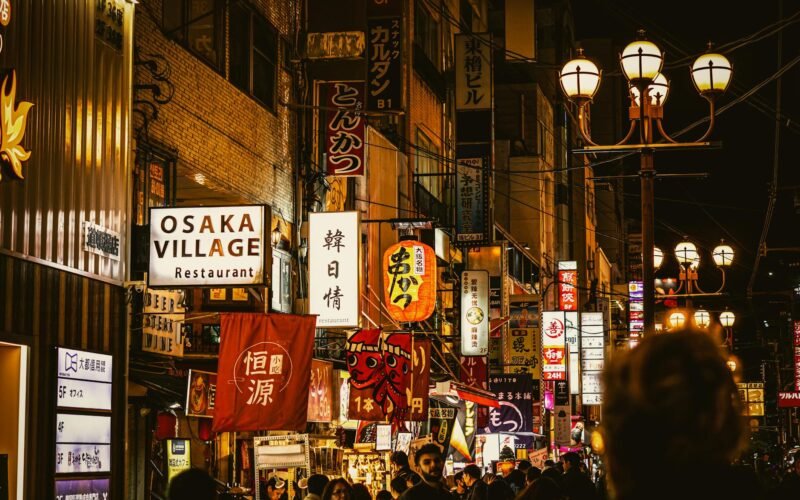
作為一個在大阪市中心生活的外國開發者,步行距離內就是心齋橋的購物街和道頓堀的霓虹燈河岸,這種地理上的便利性和生活質感,在東京的市中心幾乎是不可能以相同的成本實現的。根據2026年的生活成本比較數據,大阪市中心一居室公寓的平均月租約為8萬至12萬日圓,而東京同等條件的公寓平均超過15萬日圓。對於收入以外幣計算的遠端工作者而言,這個差距意味著顯著更高的實質生活品質。
Living as a foreign developer in central Osaka means that Shinsaibashi’s shopping streets and Dotonbori’s neon-lit waterfront are within walking distance — a geographical convenience and quality of life that would be nearly impossible to achieve at the same cost in central Tokyo. According to 2026 cost-of-living comparisons, a one-bedroom apartment in central Osaka averages around ¥80,000 to ¥120,000 per month, while equivalent Tokyo apartments regularly exceed ¥150,000. For remote workers earning in foreign currencies, this gap translates into meaningfully higher real purchasing power and quality of life.
大阪市中心部に住む外国人開発者として、心斎橋のショッピングストリートや道頓堀のネオン輝く水辺が徒歩圏内にある利便性と生活の質は、東京の都心で同じコストで実現することはほぼ不可能です。2026年の生活費比較データによると、大阪市中心部のワンルームマンションの平均家賃は月8万〜12万円程度ですが、東京の同等物件は平均15万円を超えます。外貨収入のリモートワーカーにとって、この差は実質的な購買力と生活の質において大きな意味を持ちます。
遠端工作的時區策略:大阪的隱藏優勢The Timezone Strategy of Remote Work: Osaka’s Hidden Advantageリモートワークのタイムゾーン戦略:大阪の隠れた優位性
很多人在考慮海外遠端工作時,只想到時差帶來的不便,卻忽略了日本標準時間(JST,UTC+9)其實處於一個極具戰略價值的位置。對於服務多個地區客戶的自由開發者來說,大阪(與東京同一時區)的地理位置創造了一個獨特的工作節奏:清晨6點到上午10點,可以處理首爾、上海、台北、香港等東亞客戶的即時溝通;下午1點到4點,適合進行深度開發工作,不受打擾;傍晚5點到晚上8點,則正好對應到歐洲中部時間(CET)的工作時間,可以進行歐洲客戶的視訊會議與問題處理。
Many people considering overseas remote work focus only on the inconvenience of time differences, overlooking the fact that Japan Standard Time (JST, UTC+9) actually occupies a position of considerable strategic value. For freelance developers serving clients across multiple regions, Osaka’s timezone — identical to Tokyo’s — creates a uniquely productive daily rhythm: early morning from 6 to 10 AM is ideal for real-time communication with clients in Seoul, Shanghai, Taipei, and Hong Kong; the early afternoon from 1 to 4 PM becomes a deep work block, free from interruptions; and the evening window from 5 to 8 PM aligns perfectly with Central European Time (CET) business hours, enabling video calls and issue resolution with European clients.
海外でのリモートワークを検討する際、多くの人は時差の不便さだけに目を向け、日本標準時(JST、UTC+9)が実は戦略的に非常に有利な位置にあることを見落としがちです。複数地域のクライアントを持つフリーランス開発者にとって、東京と同じタイムゾーンにある大阪は、ユニークな生産的日課リズムを生み出します。早朝6〜10時はソウル、上海、台北、香港などの東アジアクライアントとのリアルタイムコミュニケーションに最適です。午後1〜4時は邪魔が入らない深い作業時間になり、夕方5〜8時は中央ヨーロッパ時間(CET)のビジネスアワーとちょうど重なり、ヨーロッパのクライアントとのビデオ会議や問題解決に活用できます。
這種三段式的工作節奏,讓在大阪的遠端開發者能夠在不犧牲睡眠品質的前提下,服務橫跨12個以上時區的客戶群。2026年,隨著全球去中心化工作(distributed work)模式的深化,能夠靈活對接多時區的能力正成為自由開發者的核心競爭力之一。大阪的時區位置,加上其相對低廉的生活成本,形成了一種難以複製的競爭組合。
This three-phase work rhythm allows remote developers based in Osaka to serve a client base spanning 12 or more time zones without sacrificing sleep quality. In 2026, as globally distributed work models have deepened significantly, the ability to flexibly engage across multiple time zones is becoming one of the core competitive advantages of independent developers. Osaka’s timezone positioning, combined with its relatively lower cost of living, creates a competitive combination that is difficult to replicate elsewhere.
この3段階の作業リズムにより、大阪を拠点とするリモート開発者は、睡眠の質を犠牲にすることなく、12以上のタイムゾーンにまたがるクライアント群にサービスを提供できます。2026年、グローバルな分散型ワークモデルがさらに深化する中、複数タイムゾーンに柔軟に対応できる能力は、フリーランス開発者の核心的競争力の一つになっています。大阪のタイムゾーンの優位性と比較的低い生活コストが組み合わさることで、他では再現しにくい競争力のある組み合わせが生まれています。
語言是最真實的學習場:日常日語的挑戰與收穫Language as the Ultimate Classroom: Daily Japanese Challenges and Rewards言語こそ最高の教室:日常の日本語の挑戦と収穫
對於在日本生活的外國開發者來說,語言障礙是一個持續存在的現實,但它同時也是這段經歷中最有意思的部分之一。2026年,儘管AI翻譯工具(如各類大語言模型的即時翻譯功能)已經極為強大,能夠處理大多數日常溝通場景,但依賴翻譯工具和真正理解語言之間的鴻溝,在生活的細節中依然清晰可見。
For foreign developers living in Japan, the language barrier is a persistent reality — but it is also one of the most rewarding aspects of the experience. In 2026, while AI translation tools, including the real-time translation capabilities of various large language models, have become extraordinarily powerful and capable of handling most everyday communication scenarios, the gap between relying on translation and truly understanding the language remains clearly visible in the details of daily life.
日本に住む外国人開発者にとって、言語の壁は常に存在するリアルですが、同時にこの経験の中で最も興味深い部分の一つでもあります。2026年、各種大規模言語モデルのリアルタイム翻訳機能を含むAI翻訳ツールは非常に強力になり、ほとんどの日常的なコミュニケーション場面に対応できるようになりました。しかし、翻訳ツールへの依存と言語を真に理解することの間の溝は、日常生活の細部において依然として明確に見えています。
真正的語言學習發生在那些AI工具幫不上忙的地方:超市貨架上商品標籤背面密密麻麻的成分表、市役所寄來的行政文件中隱含的義務與截止日期、與居酒屋老闆的閒聊中對大阪方言(大阪弁)微妙語氣的感知。大阪弁本身就是一個有趣的學習課題——它和標準日語(共通語)的差異,不僅僅是口音,更體現在語法結構和日常慣用表達上,例如「なんでやねん」(這是什麼情況)或「ほんまに」(真的嗎)這樣的表達,滲透在每一段真實的大阪對話中。
Real language acquisition happens precisely where AI tools struggle to help: the dense ingredient lists on the backs of supermarket product labels, the implied obligations and deadlines buried within administrative documents from the ward office, and the subtle tonal nuances of Osaka dialect (Osaka-ben) picked up through casual conversation with the izakaya owner. Osaka-ben itself presents a fascinating learning challenge — its differences from standard Japanese (kyōtsūgo) go beyond accent to encompass grammatical structures and everyday idiomatic expressions, phrases like ‘nandeyanen’ (what on earth is going on) or ‘honnma ni’ (is that really so) that permeate every authentic Osaka conversation.
本当の言語習得は、AIツールが苦手とする場面でこそ起こります。スーパーの商品ラベル裏の細かい成分表示、区役所から届く行政文書に潜む義務や締め切り、そして居酒屋の大将との雑談で感じ取る大阪弁の微妙なニュアンス。大阪弁それ自体が興味深い学習テーマです。標準語(共通語)との違いはアクセントだけでなく、文法構造や日常的な慣用表現にも及びます。「なんでやねん」や「ほんまに」といった表現は、本物の大阪の会話のあらゆる場面に溶け込んでいます。
「在大阪學語言,不是因為課本,而是因為每天的生活逼著你學。超市收銀台的那一刻,沒有翻譯App能幫你,你只能用你學會的那幾個詞撐過去——然後下一次,你會學會更多。」‘Learning Japanese in Osaka isn’t driven by textbooks — it’s driven by daily life forcing your hand. At the supermarket checkout, no translation app can save you in real time; you get through it with the words you’ve learned, and next time, you learn a few more.’「大阪で言語を学ぶのは、教科書があるからではなく、毎日の生活が強制的に学ばせてくれるからです。スーパーのレジでは翻訳アプリは間に合わない。覚えた数語でなんとか乗り切り、次回はもう少し多く覚えている。」
大阪的街區人格:從天王寺到梅田的騎行地圖Osaka’s Neighborhood Personalities: A Cycling Map from Tennoji to Umeda大阪の街区の個性:天王寺から梅田への自転車マップ
每個週末,在大阪生活的一個最大樂趣是騎自行車探索這座城市的各個街區。大阪的地理結構緊湊,市中心各主要地區之間的騎行距離通常在20到40分鐘以內,這讓自行車成為了一種真正實用的城市探索工具,而不僅僅是健身手段。更重要的是,每個街區都有鮮明的個性,拼湊在一起構成了大阪這座城市的複雜面貌。
On weekends, one of the greatest pleasures of life in Osaka is cycling through the city’s distinct neighborhoods. Osaka’s compact urban geography means that the cycling distance between major central areas is typically between 20 and 40 minutes, making the bicycle a genuinely practical tool for urban exploration rather than just exercise. More importantly, each neighborhood carries a distinct personality, and together they form the complex mosaic that defines this city.
週末、大阪生活の最大の喜びの一つは、自転車でさまざまな街区を探索することです。大阪のコンパクトな都市構造のおかげで、主要な中心部エリア間のサイクリング距離は通常20〜40分以内で、自転車が単なる運動手段ではなく、都市探索の実用的なツールになっています。さらに重要なのは、各街区が鮮明な個性を持ち、それらが組み合わさって大阪という都市の複雑なモザイクを形成していることです。
- 天王寺:四天王寺的千年歷史與阿倍野HARUKAS的現代摩天樓並存,是大阪時間縱深最明顯的地方,這裡的老商店街和古老神社讓人感受到城市的根。
- 梅田:大阪的CBD核心,JR大阪站周邊的地下街迷宮和高層商業設施代表了這座城市最具活力的現代面孔,2026年仍在持續更新改造中。
- 中崎町:梅田旁邊卻像是另一個世界,保留著昭和時代木造長屋的這個街區,聚集了獨立咖啡館、二手書店和設計師工作室,是大阪的「文藝青年」聚集地。
- 福島:近年迅速崛起的美食與酒吧街,年輕的主廚和調酒師在這裡開設精緻的小店,與心齋橋的商業飲食生態形成鮮明對比,是更有「發現感」的餐飲探索區域。
- 西成:大阪最具複雜性的街區,歷史上以勞工文化著稱,近年正在經歷緩慢的士紳化,但依然保持著最真實的大阪庶民生活氣息,是理解這座城市社會層次的必要拼圖。
- Tennoji: Where the thousand-year history of Shitennoji Temple coexists with the modern skyscraper of Abeno Harukas, this is where Osaka’s temporal depth is most visible — old shotengai and ancient shrines that connect you to the city’s roots.
- Umeda: Osaka’s CBD core, where the labyrinthine underground shopping complexes around JR Osaka Station and towering commercial buildings represent the city’s most dynamic modern face — and where redevelopment projects were still actively underway in 2026.
- Nakazakicho: Right next to Umeda yet feeling like another world, this neighborhood has preserved its Showa-era wooden row houses and become home to independent cafes, secondhand bookshops, and designer studios — Osaka’s gathering point for the creatively inclined.
- Fukushima: A rapidly rising food and bar district in recent years, where young chefs and bartenders have opened refined small establishments — a striking contrast to Shinsaibashi’s commercial dining scene, and a neighborhood that still rewards exploration with genuine discovery.
- Nishinari: Osaka’s most complex neighborhood, historically known for its working-class culture and now undergoing a slow gentrification, yet still maintaining the most authentic atmosphere of Osaka’s ordinary urban life — an essential piece for understanding the city’s social layers.
- 天王寺:四天王寺の千年の歴史とあべのハルカスの現代的な超高層ビルが共存し、大阪の時間的な奥行きが最も感じられる場所。古い商店街や古社が街の根をつなぎ止めています。
- 梅田:大阪のCBDの中核。JR大阪駅周辺の地下街の迷宮と高層商業施設は、この街の最もダイナミックな現代的顔を体現しており、2026年も継続的な再開発が進んでいます。
- 中崎町:梅田のすぐ隣でありながら別世界のような雰囲気。昭和時代の木造長屋を保存したこの街区には、独立系カフェ、古本屋、デザイナーのアトリエが集まり、大阪のクリエイター層の集積地になっています。
- 福島:近年急速に台頭したグルメ・バー街。若いシェフやバーテンダーが洗練された小さな店を開き、心斎橋の商業的な飲食シーンとは対照的な、発見の喜びがある街区です。
- 西成:大阪で最も複雑な街区。歴史的に労働者文化で知られ、近年はゆっくりとジェントリフィケーションが進んでいますが、最も本物の大阪の庶民的な生活感が残っており、この街の社会的な層を理解するための不可欠なピースです。
食い倒れの哲學:飲食文化作為理解大阪的密碼The Philosophy of Kuidaore: Food Culture as the Key to Understanding Osaka食い倒れの哲学:飲食文化を通じて大阪を理解する鍵
「食い倒れ」(kuidaore)這個詞直譯為「吃到破產」,但它真正指向的是一種文化態度:對飲食品質的執著,對用餐體驗的認真,以及願意為了一頓好飯不惜一切的精神。這種態度滲透在大阪日常生活的每一個角落,從路邊小攤的章魚燒(たこ焼き)到需要預約數月的百年懷石料理老店,都能感受到同一種對「食的誠意」。
The word ‘kuidaore’ — literally ‘to eat until you go bankrupt’ — points toward a cultural attitude rather than a literal practice: an obsession with the quality of food, a seriousness about the dining experience, and a willingness to spare nothing for a truly good meal. This attitude permeates every corner of Osaka’s daily life, from the takoyaki (octopus balls) at a roadside stall to a century-old kaiseki restaurant requiring months of advance reservation — and in both, you can feel the same underlying sincerity toward food.
「食い倒れ」という言葉は文字通り「食べて破産する」という意味ですが、それが指し示すのは文化的な態度です。食の質へのこだわり、食事体験への真摯さ、そして本当に美味しいもののためなら惜しまないという精神。この態度は大阪の日常生活のあらゆる場面に浸透しています。路上のたこ焼き屋台から、数ヶ月前から予約が必要な百年の歴史を持つ懐石料理店まで、どこにも同じ「食への誠実さ」が感じられます。
對於外國開發者來說,大阪的食文化不只是生活享受,它也是一種社交基礎設施。在大阪,飲食是連結人際關係的核心媒介——和鄰居的關係從推薦好吃的拉麵店開始,和客戶的信任從一起吃串燒建立,和城市的歸屬感從記住一家店老闆的臉龐而形成。這與東京的商務文化有微妙但重要的差異:大阪的人際連結更多發生在餐桌上,而非會議室裡。
For a foreign developer, Osaka’s food culture is not just a lifestyle benefit — it functions as social infrastructure. In Osaka, food is the core medium for building human connections: a relationship with a neighbor begins with recommending a good ramen shop, trust with a client is established over yakitori, and a sense of belonging to the city grows from remembering the face of a restaurant owner who remembers yours. This represents a subtle but significant difference from Tokyo’s business culture: in Osaka, human connections tend to form at the table rather than in the conference room.
外国人開発者にとって、大阪の食文化は単なるライフスタイルの恩恵ではなく、社会的インフラとして機能しています。大阪では、食が人間関係を結ぶ核心的な媒体です。近所の人との関係は美味しいラーメン屋を教え合うことから始まり、クライアントとの信頼は焼き鳥を食べながら築かれ、街への帰属意識は自分を覚えてくれている店主の顔を覚えることで生まれます。これは東京のビジネス文化とは微妙でありながら重要な違いです。大阪では、人間関係が会議室ではなく食卓で生まれる傾向があります。
2026年,在大阪做自由開發者的現實評估A Realistic Assessment of Freelance Development in Osaka in 20262026年、大阪でフリーランス開発者として生きることのリアルな評価
2026年的全球自由開發者市場已經進入了一個新的競爭階段。AI輔助編程工具的普及使得基礎開發任務的市場價格持續下壓,但同時也提升了有能力整合AI工具、處理複雜架構和跨文化溝通的開發者的市場價值。在這個背景下,在大阪的外國開發者實際上處於一個有趣的位置:具備國際客戶網絡、理解東亞市場文化、能夠操作多語言環境,同時享有相對低廉的生活成本所帶來的自由度。
The global freelance development market in 2026 has entered a new phase of competition. The widespread adoption of AI-assisted programming tools has continued to compress market prices for basic development tasks, while simultaneously increasing the market value of developers who can integrate AI tools, manage complex architecture, and navigate cross-cultural communication. Against this backdrop, a foreign developer based in Osaka occupies an interestingly advantageous position: maintaining an international client network, understanding East Asian market culture, operating fluently across multilingual environments, and enjoying the freedom afforded by a relatively lower cost of living.
2026年のグローバルなフリーランス開発市場は、競争の新たな段階に入っています。AIアシスト型プログラミングツールの普及により、基本的な開発タスクの市場価格は下落し続けていますが、同時にAIツールを統合し、複雑なアーキテクチャを扱い、異文化間コミュニケーションをこなせる開発者の市場価値は高まっています。この背景の中、大阪を拠点とする外国人開発者は興味深い優位な立場にあります。国際的なクライアントネットワーク、東アジア市場文化への理解、多言語環境での流暢な対応、そして比較的低い生活コストがもたらす自由度を兼ね備えています。
當然,這種生活方式並非沒有挑戰。日本的行政體系對外國居民依然存在相當的複雜性,從確定居住地位到處理稅務申報,每一個環節都需要對語言和系統有足夠的理解。大阪的外國人社群規模雖然在近年持續增長(2025年大阪府外國籍居民人口突破35萬,創歷史新高),但整體而言仍然遠小於東京,這意味著某些類型的英語服務和外國人支援資源相對有限。
Of course, this lifestyle is not without its challenges. Japan’s administrative system still presents considerable complexity for foreign residents, and every step — from establishing residency status to managing tax filings — requires sufficient understanding of both the language and the system. While Osaka’s foreign resident community has grown steadily in recent years (Osaka Prefecture’s foreign national population surpassed 350,000 in 2025, a historic high), it remains significantly smaller than Tokyo’s, meaning that certain English-language services and foreign resident support resources are comparatively limited.
もちろん、このライフスタイルに課題がないわけではありません。日本の行政システムは外国人居住者にとって依然として相当な複雑さを持っており、在留資格の確立から確定申告まで、各ステップで言語とシステムへの十分な理解が必要です。大阪の外国人コミュニティは近年着実に成長しており(2025年に大阪府の外国籍住民人口が35万人を突破し過去最高を記録)、それでも東京よりはるかに小さく、一部の英語サービスや外国人向けサポートリソースは相対的に限られています。
但歸根結底,在大阪做自由開發者的吸引力,在於它提供了一種很少地方能夠同時實現的組合:在現代化的城市基礎設施中生活,享有豐富的文化與飲食資源,維持具有競爭力的工作效率,同時保持合理的生活成本和真實的人際溫度。這不是對所有人都適合的選擇,但對於那些願意接受語言挑戰、喜歡在喧鬧的城市找到自己節奏的開發者來說,大阪提供的不只是一個工作地點,而是一種完整的生活方式。
Ultimately, however, the appeal of freelance development in Osaka lies in a combination that few places can simultaneously offer: living within modern urban infrastructure, enjoying rich cultural and culinary resources, maintaining competitive work productivity, while sustaining a reasonable cost of living and genuine human warmth. It is not the right choice for everyone, but for developers willing to embrace the language challenge and who thrive on finding their own rhythm within a vibrant, loud city, Osaka offers more than just a place to work — it offers a complete way of life.
しかし結局のところ、大阪でフリーランス開発者として生きる魅力は、なかなか同時に実現できない組み合わせにあります。近代的な都市インフラの中で生活し、豊かな文化と食のリソースを享受し、競争力のある仕事効率を維持しながら、合理的な生活コストと本物の人間的な温かさを保てること。すべての人に適した選択ではありませんが、言語の挑戦を受け入れ、活気ある喧騒の中で自分のリズムを見つけることができる開発者にとって、大阪は単なる仕事場ではなく、完全なライフスタイルを提供してくれる場所です。
本文基於作者在大阪的親身生活與工作經驗,結合2026年日本生活成本資料、大阪府外國籍居民人口統計及全球遠端工作市場趨勢分析編寫而成。